
Published June 1, 2026 · 6 min read · By Parker Plumbing Pros
Hard water is one of the most common — and most underestimated — plumbing concerns in Douglas County homes. It's not dangerous to drink, but the mineral content quietly shortens the life of everything it touches, from your water heater to your faucet cartridges. Here's what to look for and what to do about it.
What 'hard water' actually means
Hard water is simply water with a high mineral content — mostly calcium and magnesium. As that water sits, heats, and flows, the minerals precipitate out as scale. Front Range water, including much of Douglas County's supply and the private wells common in areas like The Pinery, tends to be notably hard.
The signs you have it
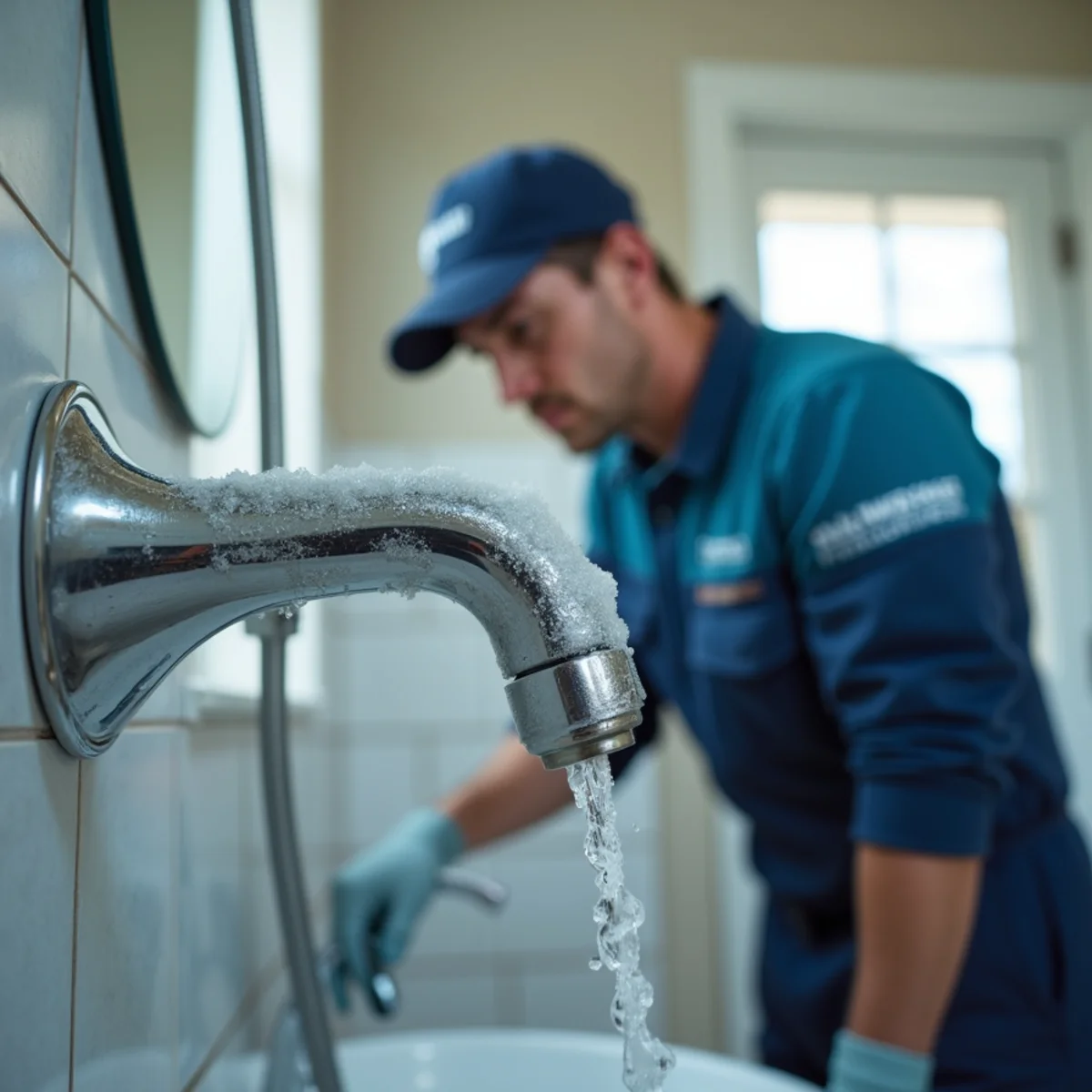
- White, chalky scale on faucets, showerheads, and glassware.
- Soap that won't lather well and spotty dishes after washing.
- Dry skin and hair after showering.
- Reduced flow as scale narrows pipes, valves, and aerators.
- Water heaters and fixtures failing earlier than they should.
The real damage it does
Scale is the quiet killer of plumbing. Inside a water heater, it settles as sediment that insulates the water from the burner or element — cutting efficiency and driving the rumbling noises of a scaled tank. On faucet cartridges and valves, scale causes drips and stiff handles. Inside pipes, it slowly restricts flow. None of it happens overnight, which is exactly why it's easy to ignore until a fixture or heater fails early.
Softener, filtration, or both?
The honest answer starts with a water test. A water softener addresses hardness and scale by exchanging the scale-forming minerals. A filtration system addresses taste, sediment, and specific contaminants. Some homes need one; some benefit from a combined system. Testing tells you which — a recommendation made without a test is a guess.
Does a softener pay off?
For many Douglas County homes, yes — because it protects the expensive equipment downstream. Softener installation is benchmarked at $1,200–$3,000, and it can meaningfully extend the life of a water heater (a $1,200–$3,000 replacement itself), plus fixtures and appliances. If you're already replacing a scaled water heater, adding a softener at the same time is often the smart move.
Maintenance still matters
Even with treatment, annual water-heater flushing keeps scale from accumulating. If you're on a well in The Pinery or rural Douglas County, water testing is especially worthwhile because well water varies property to property.
Serving Douglas County and Highlands Ranch, we test your water and give a straight recommendation — softener, filtration, or neither. Call us for a water review before scale costs you another appliance.
Salt-based versus salt-free — the honest comparison
You'll see 'salt-free water conditioners' marketed as softeners, and homeowners often ask whether they're as good. Here's the straight answer: a traditional salt-based softener actually removes the hardness minerals through ion exchange, which is what protects your water heater and pipes from scale. Salt-free systems don't remove the minerals — they attempt to alter them so they're less likely to stick. They can help in some cases and require less maintenance, but for genuine scale protection in Douglas County's hard water, a salt-based softener is the proven choice.
The other honest point is sizing. An undersized softener regenerates constantly and wears out early; an oversized one wastes salt and water. That's why we test your water's actual hardness and your household's usage before recommending a system, rather than selling one size to everyone. For homes on wells near The Pinery, that testing matters even more, since well water varies property to property.
Related plumbing services
Frequently asked questions
No — hard water is a nuisance and an equipment problem, not a health hazard in itself. The concern is the scale it leaves on fixtures, water heaters, and inside pipes, which shortens their life and cuts efficiency.