

Published April 6, 2026 · 6 min read · By Parker Plumbing Pros
A slow drain seems minor, but it's telling you something. The trick is reading the symptom correctly: one slow fixture is usually a local blockage, while multiple slow drains point toward the main line. Here are the seven causes we see most in Parker homes and the right fix for each.
1. Hair and soap scum (bathrooms)
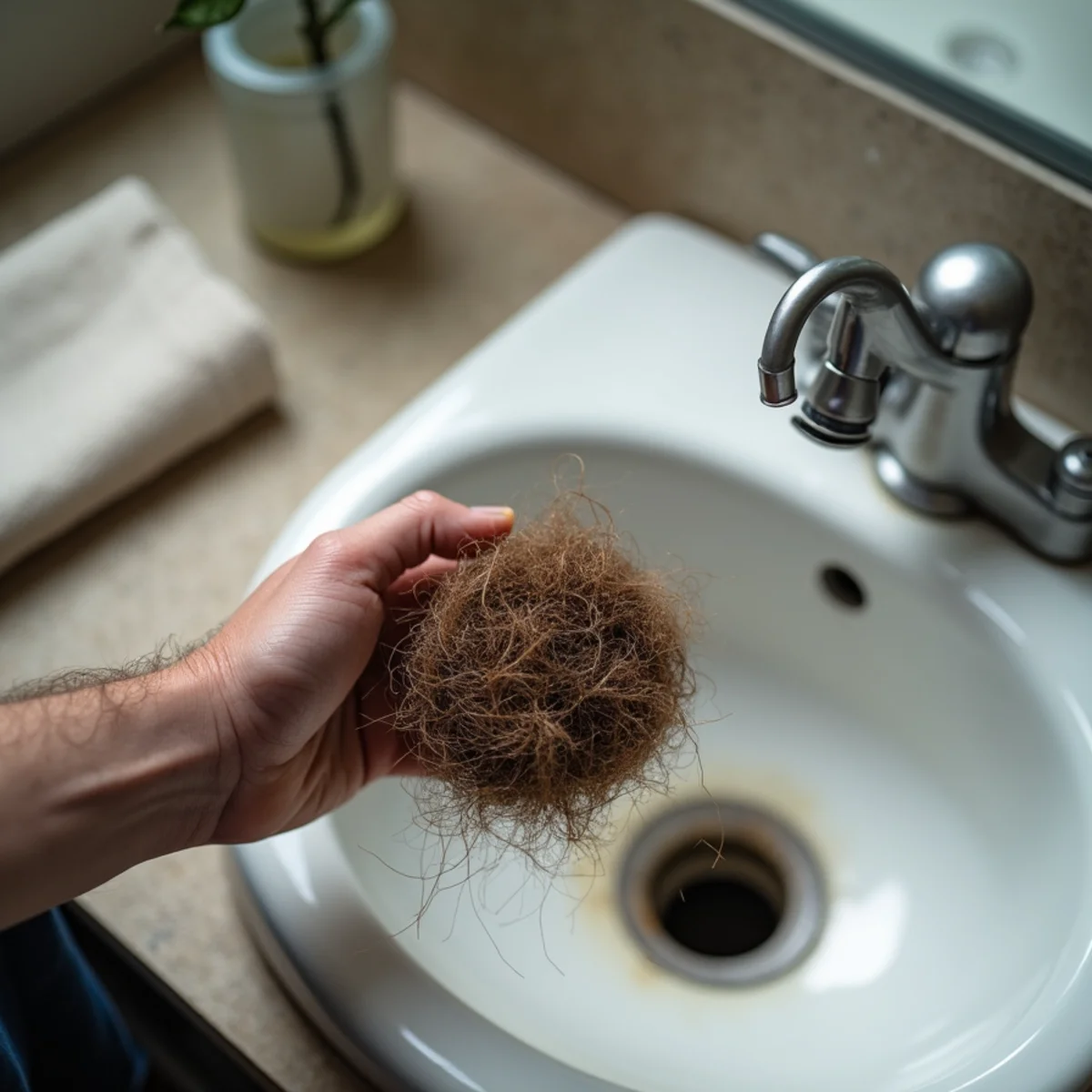
In tubs, showers, and bathroom sinks, hair binds with soap scum into a dense clog at the stopper or trap. A proper clearing removes it at the source — chemical cleaners just push it down and can damage pipes.
2. Grease and food (kitchens)
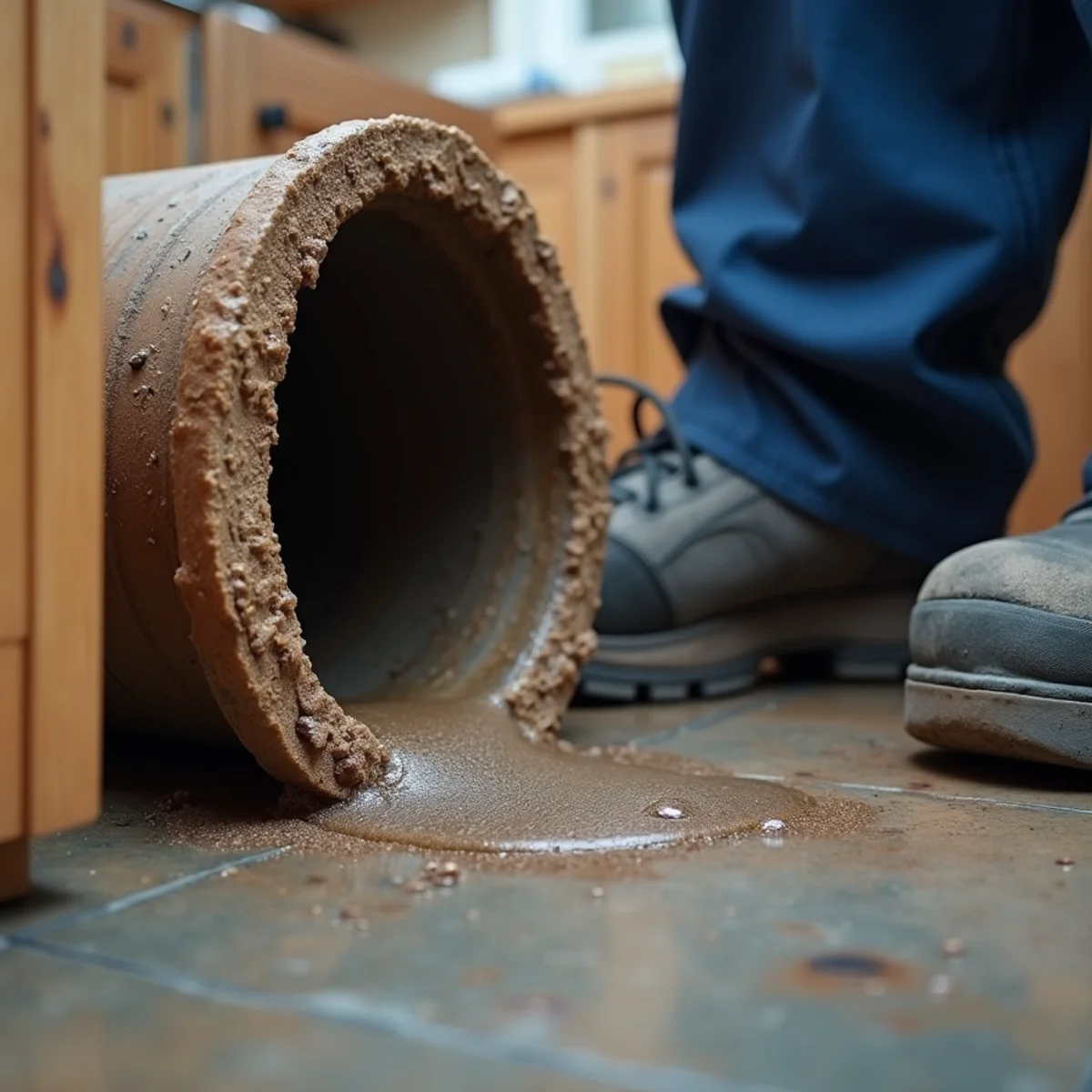
Kitchen lines take the most grease in the home. Grease cools, hardens, and coats the pipe wall, narrowing it until it clogs. For recurring grease clogs, hydro-jetting scours the full pipe wall clean where snaking only punches a hole.
3. Hard-water scale
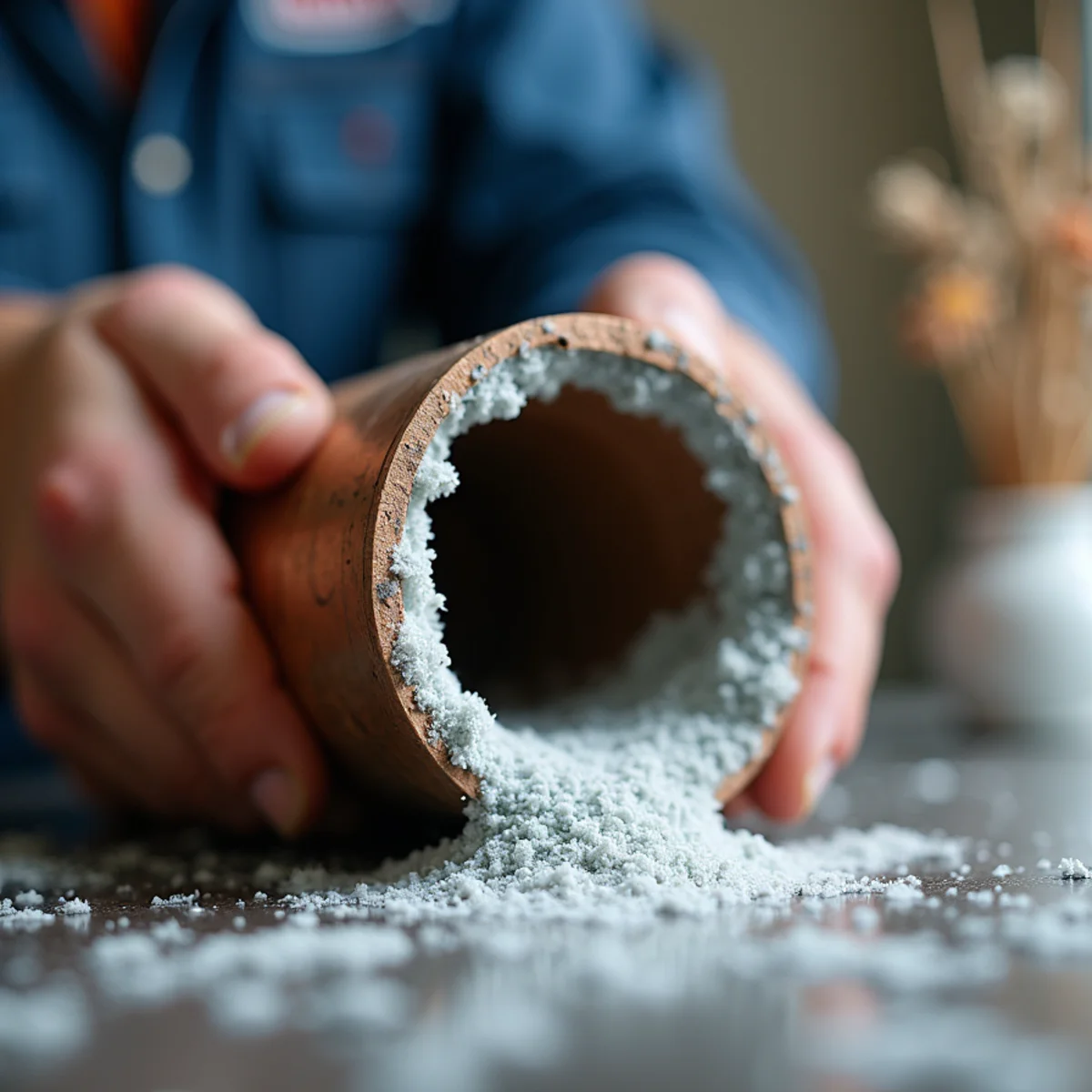
Parker's mineral-rich water leaves scale inside pipes, valves, and fixtures, gradually restricting flow. If your drains and fixtures all seem to be slowing at once, hard water may be the common thread — and a water test tells you whether a softener is worth it.
4. A partially blocked vent

Drains need air to flow. A blocked plumbing vent causes gurgling and slow drainage even when the pipe itself is clear. If you hear gurgling when another fixture runs, the vent is a suspect.
5. Root intrusion
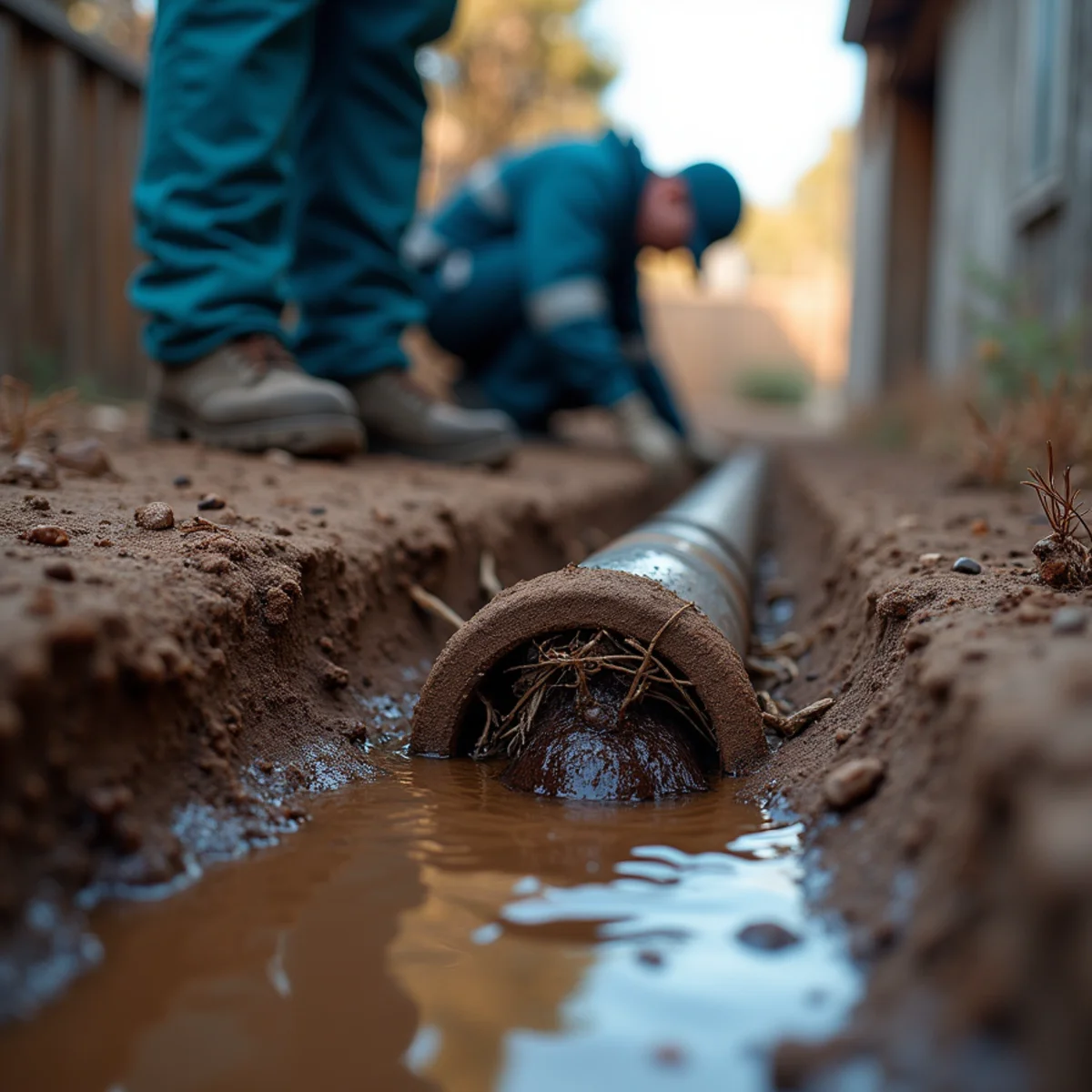
Mature landscaping sends roots into sewer lines through tiny joint gaps, especially in older neighborhoods like Cottonwood with clay laterals. Roots catch debris and cause recurring backups. This one needs a camera to confirm and often a repair, not just clearing.
6. A bellied or damaged pipe
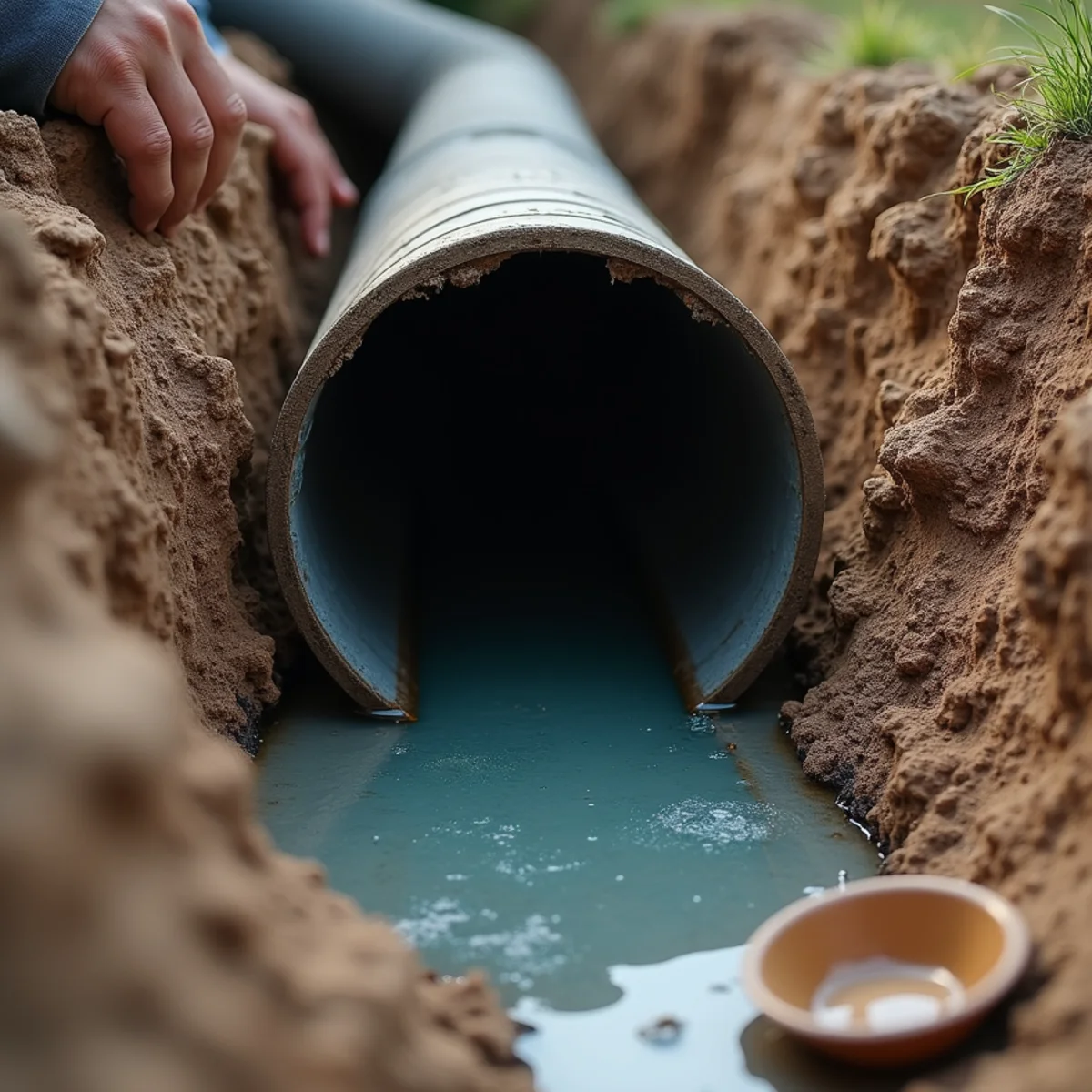
Expansive clay soil movement can cause a section of pipe to sag (a 'belly') where water and waste collect. Clearing helps briefly, but the low spot refills. A camera inspection reveals it and guides the repair.
7. A failing main line or sewer lateral
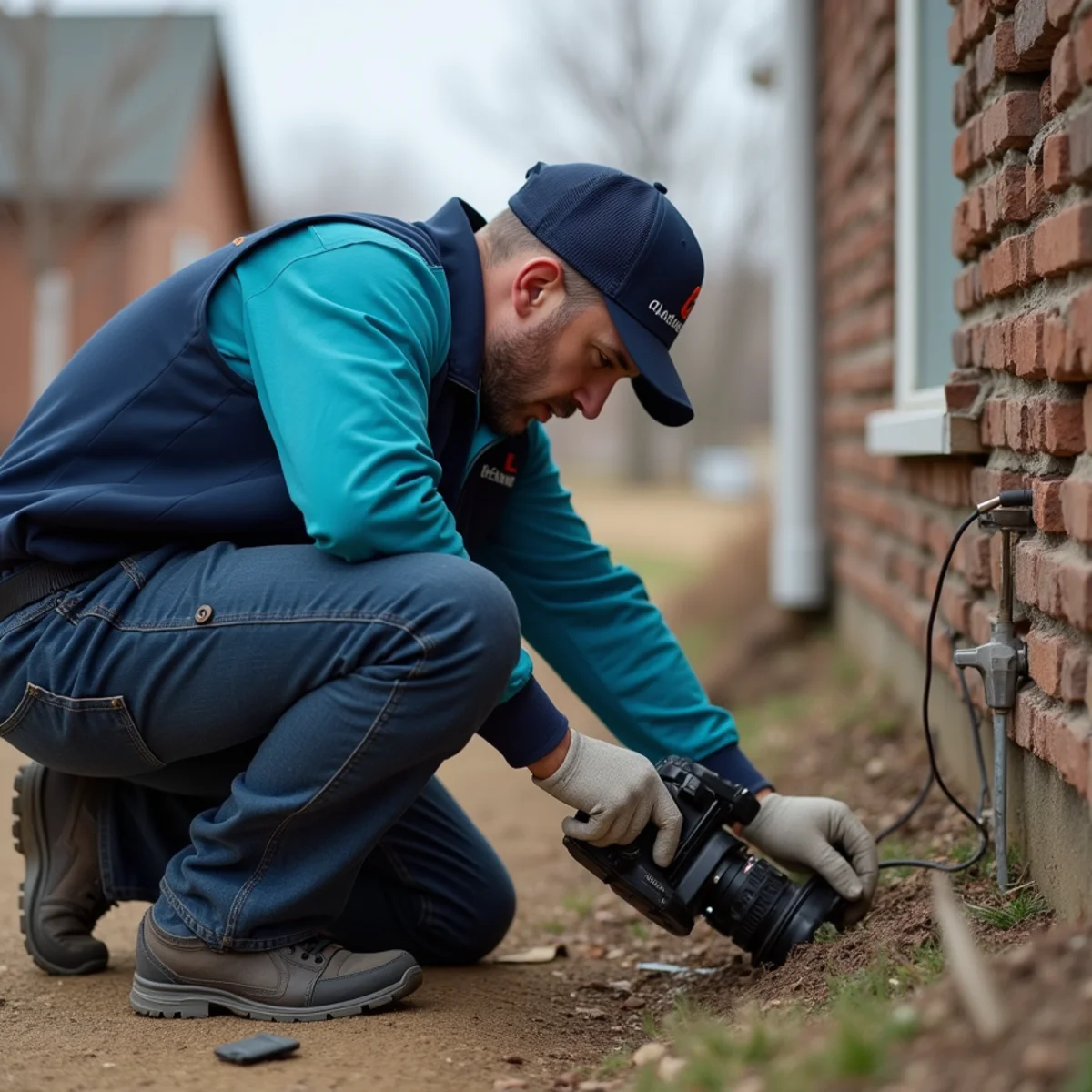
When multiple fixtures are slow, drains gurgle, and you smell sewage or get backups after rain, the problem is likely the main line or lateral — not any single fixture. That's the point to stop clearing and start diagnosing.
The rule of thumb
One slow drain? Usually a local clog worth clearing. Several slow drains, gurgling, odor, or backups after weather? That's a main-line signal, and the smart next step is a camera inspection before you pay to clear the same line again. Parker benchmarks: fixture drain clearing $150–$400, main-line clearing $250–$600, camera inspection $150–$350.
Serving Parker, Centennial, and Cottonwood, we diagnose the cause instead of clearing the symptom on repeat. Call us and we'll tell you which of the seven you're dealing with.
The one-drain-versus-many rule that saves a service call
Here's the diagnostic shortcut we use on every drain call, and you can use it too before you pick up the phone. If one fixture is slow and the rest of the house drains fine, the blockage is almost always local — in that fixture's trap or branch line, and often a simple clearing. If several fixtures are slow at once, or the lowest drains in the house (a basement floor drain, a first-floor toilet) gurgle or back up, the problem is downstream in the main line or sewer lateral.
That distinction changes everything about the right fix. A local clog doesn't need a camera; a main-line pattern almost always does, because clearing it without knowing the cause just resets the clock. When you call, tell us which fixtures are affected and whether it follows rain or snowmelt — that's half the diagnosis before we arrive.
Related plumbing services
Frequently asked questions
We don't recommend them for recurring or main-line clogs. They can damage pipes, rarely fix the underlying cause, and make professional clearing more hazardous. A quick mechanical clearing is safer and more effective.